
Hemp Hearts vs. Whole Seeds vs. Hemp Oil: The Complete Bioavailability & Processing Matrix
A molecular nutritional comparison of Cannabis sativa seed processing: contrasting the fibrous pericarp of whole seeds against dehusked hemp hearts and cold-pressed lipids, evaluating GLA anti-inflammatory synthesis, digestive bloat, and protein bioavailability.
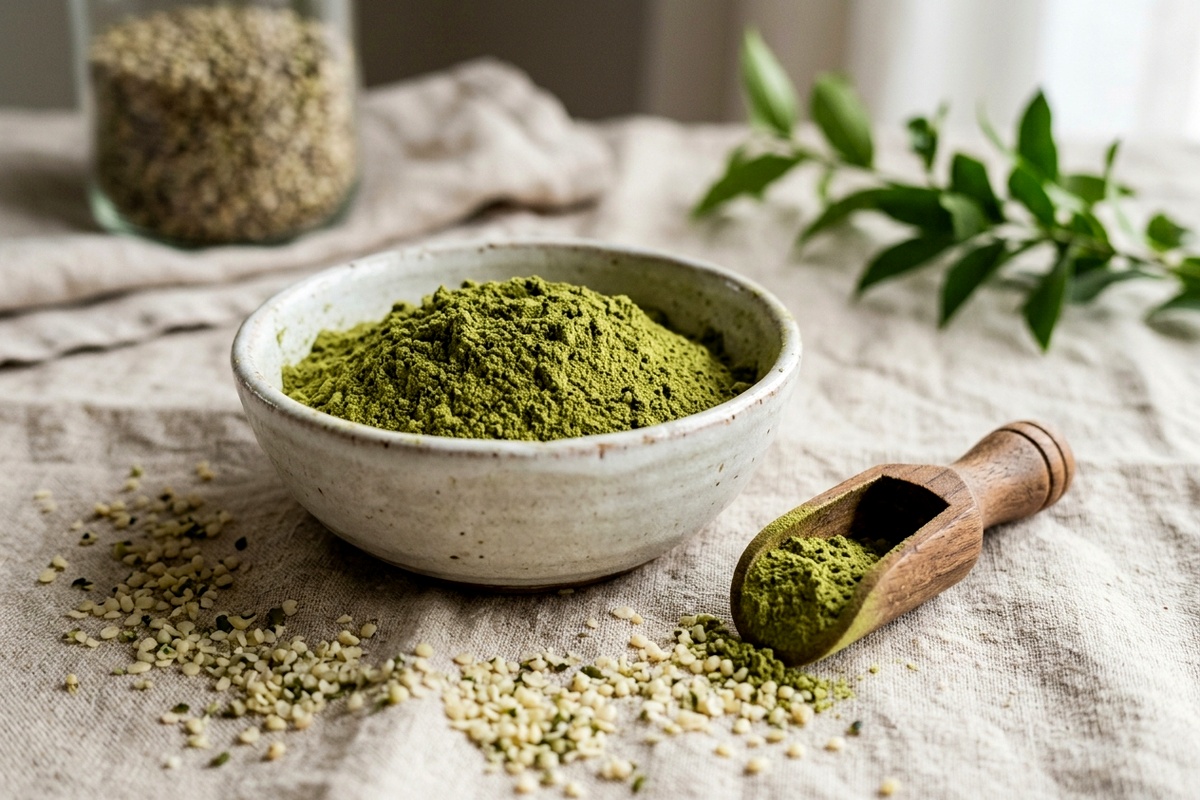
Among modern functional foods, the industrial hemp plant (Cannabis sativa) stands as one of the most versatile nutritional engines on earth. For thousands of years, civilizations consumed its hearty seeds to sustain strength, cardiovascular vitality, and hormonal health.
Hemp hearts vs seeds vs oil: Hemp hearts (dehusked kernels) are the ultimate whole-food choice, packing 33% complete protein, bioavailable zinc, and healthy fats without the tough, bloat-inducing fiber of whole seeds. Hemp oil delivers concentrated 3:1 Omega-6 to Omega-3 lipids and rare anti-inflammatory GLA, but contains zero protein or minerals. Use hearts for muscle and satiety, and oil as a raw finishing lipid.
Yet, modern consumers browsing the health aisle face a perplexing dilemma: Should you buy whole in-shell hemp seeds, tender shelled hemp hearts, cold-pressed hemp seed oil, or cold-milled hemp protein powder?
Each format represents a fundamentally distinct processing stage of the same botanical seed, dramatically shifting its ratio of edestin protein, insoluble cellulose fiber, and fragile polyunsaturated fatty acids.
Here is the definitive biochemical guide to choosing the exact hemp format for your metabolic goals.
Above-the-Fold Processing & Nutritional Matrix
Review how the four primary formulations of Cannabis sativa seeds compare across a standard 30-gram serving:
| Nutritional & Processing Metric | Shelled Hemp Hearts (Raw Kernels) | Whole In-Shell Hemp Seeds | Cold-Pressed Hemp Seed Oil | Cold-Milled Hemp Protein Powder |
|---|---|---|---|---|
| Complete Protein (per 30g) | 10.0 g (Edestin & Albumin) | 7.5 g (Phytate bound) | 0.0 g (Pure lipid) | 15.0 g (Highest protein yield) |
| Dietary Fiber Density | 1.2 g (Ultra-low insoluble bulk) | 10.5 g (Dense woody pericarp) | 0.0 g | 8.0 g (Balanced prebiotic fiber) |
| Digestive Comfort & Bloat Risk | Zero (Melts in digestive tract) | High (Can irritate sensitive colons) | Smooth lipid transit | Gentle (Zero dairy lactose) |
| Healthy Fats (3:1 Omega Ratio) | 14.5 g (Whole lipid matrix) | 9.0 g | 30.0 g (Maximum lipid density) | 3.0 g (Defatted seed cake) |
| Magnesium & Zinc Density | Magnesium: 45% DV / Zinc: 25% DV | Moderate (Phytate chelated) | 0% DV (Stripped in pressing) | Magnesium: 60% DV / Zinc: 35% DV |
| Culinary Versatility | Salads, yogurt, smoothies, oats | Coarse baking, bird seed blends | Raw salad dressing, finishing drizzle | Post-workout protein shakes |
1. Anatomy of the Seed: From Whole Seed to Hemp Heart
To understand why hemp hearts behave so differently from whole seeds, we must examine the microscopic structure of the Cannabis sativa achene:
        [ Anatomy & Deconstruction of a Hemp Achene ]

 ┌────────────────────────────────────────────────────────┐
 │ 1. OUTER PERICARP (Dark, crunchy, silica-rich shell)  │
 │    - Dense insoluble cellulose, lignin, and phytates  │ <- STRIPPED OFF TO MAKE HEMP HEARTS
 ├────────────────────────────────────────────────────────┤
 │ 2. INNER COTYLEDONS (The Hemp Heart)                   │
 │    - 33% Complete Edestin Protein                      │ <- PACKED INTO HEMP HEARTS
 │    - 47% Living Polyunsaturated Lipids (ALA & LA)     │
 └────────────────────────────────────────────────────────┘
                           │
                           ▼ (Screw-Press Extraction)
 ┌─────────────────────────┴──────────────────────────────┐
 ▼                                                        ▼
[ Cold-Pressed Hemp Seed Oil ]              [ Defatted Seed Cake (Cold-Milled) ]
(100% Polyunsaturated Fats)                 (Hemp Protein Powder: 50% Protein)
The Whole In-Shell Seed
Whole hemp seeds retain their dark, crunchy pericarp. This outer shell is a fortress of insoluble fiber and silica. While beneficial for individuals seeking colon bulking and roughage, whole seeds can feel abrasive, like swallowing sandpaper, for individuals with irritable bowel syndrome (IBS) or sensitive mucosal linings.
The Shelled Hemp Heart
By utilizing mechanical dehullers, manufacturers gently fracture the brittle outer shell and blow it away with air classification, leaving only the tender, dual-cotyledon kernels inside.
Hemp hearts are soft, ivory-green, and creamy with a mild pine-nut or sunflower flavor. They melt effortlessly in the mouth, requiring zero cooking or heavy chewing.
To explore how hemp protein compares against dairy whey, read our in-depth clinical analysis on hemp protein vs whey: edestin bioavailability.
2. The Lipid Profile: The Golden 3:1 Ratio & Gamma-Linolenic Acid (GLA)
Hemp lipids are celebrated across human biochemistry because their fatty acid composition naturally mirrors the optimal nutritional requirements of human cell membranes:
- The Golden 3:1 Ratio: Hemp seed oil consists of approximately 55% Linoleic Acid (LA, Omega-6) and 20% Alpha-Linolenic Acid (ALA, Omega-3). This 3:1 balance prevents the chronic pro-inflammatory signaling associated with Western diets (which frequently exceed a pathological 20:1 ratio).
- Gamma-Linolenic Acid (GLA): Unlike common vegetable oils, hemp contains 2% to 4% native GLA (18:3n-6). GLA bypasses the rate-limiting delta-6-desaturase enzyme in the human body, directly converting into Dihomo-γ-linolenic acid (DGLA) and anti-inflammatory Series 1 Prostaglandins (PGE₁) that reduce eczema, premenstrual breast tenderness, and joint swelling.
- Stearidonic Acid (SDA): Hemp contains up to 2% SDA (18:4n-3), an intermediate omega-3 that converts to cardiovascular EPA up to five times more efficiently than standard flaxseed ALA.
Compare hemp against flax and chia in our comprehensive review of hemp vs chia vs flax seed nutrient density.
3. Storage & Culinary Heat Sensitivity: The Oxidation Rule
Because hemp lipids are overwhelmingly polyunsaturated (possessing multiple carbon-carbon double bonds), they are exceptionally vulnerable to free-radical lipid peroxidation when exposed to oxygen, ultraviolet light, and high culinary heat:
- Refrigerate After Opening: Store open bags of hemp hearts and bottles of hemp seed oil in the refrigerator. In cold, dark environments, opened hemp hearts stay fresh for 6 to 12 months. Left on a warm kitchen counter, they begin oxidizing within 30 days.
- Never Cook with Hemp Oil: Cold-pressed hemp oil has an ultra-low smoke point of 330°F (165°C). Frying or sautéing with hemp oil creates harmful acrolein, lipid hydroperoxides, and trans-fatty acid polymers. Use it exclusively raw: drizzled over steamed vegetables, whisked into vinaigrettes, or stirred into soups off the heat.
- Baking with Hemp Hearts is Safe: You can safely fold hemp hearts into muffins, bread doughs, or homemade granola baked at moderate temperatures (325°F to 350°F / 165°C–175°C) because moisture and surrounding starches buffer the internal seed lipids from direct oxidation.
4. How to Match the Hemp Format to Your Health Goal
To extract maximum metabolic efficiency, select your format based on your primary physiological objective:
- For Daily Plant Protein & Micronutrients → Shelled Hemp Hearts: Add 3 tablespoons to morning oatmeal, chia pudding, or salads. It adds 10g of complete protein, 45% of your daily magnesium, and creamy texture with zero preparation.
- For Post-Workout Muscle Protein Synthesis → Hemp Protein Powder: When you want 20 to 30 grams of protein without adding 300 calories of fat, cold-milled hemp protein provides clean edestin globulins that spare your gut from bloating.
- For Inflammatory Skin Conditions & Hormonal Balance → Cold-Pressed Hemp Seed Oil: Ingest 1 tablespoon daily directly from the spoon or whisked into raw salad dressings to flood the body with therapeutic GLA and optimal ALA omega-3.
Learn how to stack plant proteins for muscle recovery in hitting 130 grams of plant protein daily.
5. Integrating Hemp into Your Plant Diversity Protocol
Whether consumed as creamy hearts, unrefined oil, or concentrated protein powder, industrial hemp introduces deep botanical variety that enriches your intestinal microbiome.
Log your daily hemp servings in our 30-Plants Microbiome Diversity Tracker, calculate real-time amino acid yields with our Daily Seed Nutrition & Protein Stacker, and discover how to optimize unrefined plant lipids in the seed oil spectrum: cold-pressed vs industrial refining.
Frequently Asked Questions About Hemp Hearts vs. Seeds & Oil
Hemp seeds refer to the whole, intact seed encased in a crunchy, hard brown hull high in insoluble fiber. Hemp hearts are the soft, creamy inner kernels revealed after mechanical dehusking removes the tough outer shell. Hemp hearts contain over 30% complete protein and 45% healthy fats with almost zero tough fiber, making them vastly easier to digest without abdominal bloating.
Hemp hearts are superior for overall nutrition because they deliver whole-food synergy: 10 grams of complete plant protein per 3-tablespoon serving, zinc, magnesium, and iron alongside healthy fats. Hemp seed oil is an isolated fat extract; while it delivers concentrated omega-3, omega-6, and gamma-linolenic acid (GLA), it contains zero protein, zero fiber, and zero minerals.
Yes. Because hemp hearts consist of over 45% delicate polyunsaturated fatty acids (alpha-linolenic acid and linoleic acid), they oxidize rapidly when exposed to heat, light, and oxygen. Storing opened hemp hearts in an airtight container in the refrigerator preserves freshness for up to 6 to 12 months.
You can bake hemp hearts into breads or granolas at moderate temperatures (below 350°F / 175°C) because their internal proteins partially shield the fats. However, cold-pressed hemp seed oil must never be used for frying or sautéing; heat above 250°F (120°C) oxidizes its fragile polyunsaturated bonds into inflammatory lipid peroxides. Use hemp oil exclusively as a raw finishing oil.