
Hemp Protein vs. Whey: Why Edestin Seed Globulins Beat Dairy Without Bloat
A molecular gastrointestinal comparison of Cannabis sativa seed globulins vs bovine beta-lactoglobulin: dissecting edestin enzymatic cleavage, sulfur amino acid profiles, and why plant seed protein spares your gut microbiome.
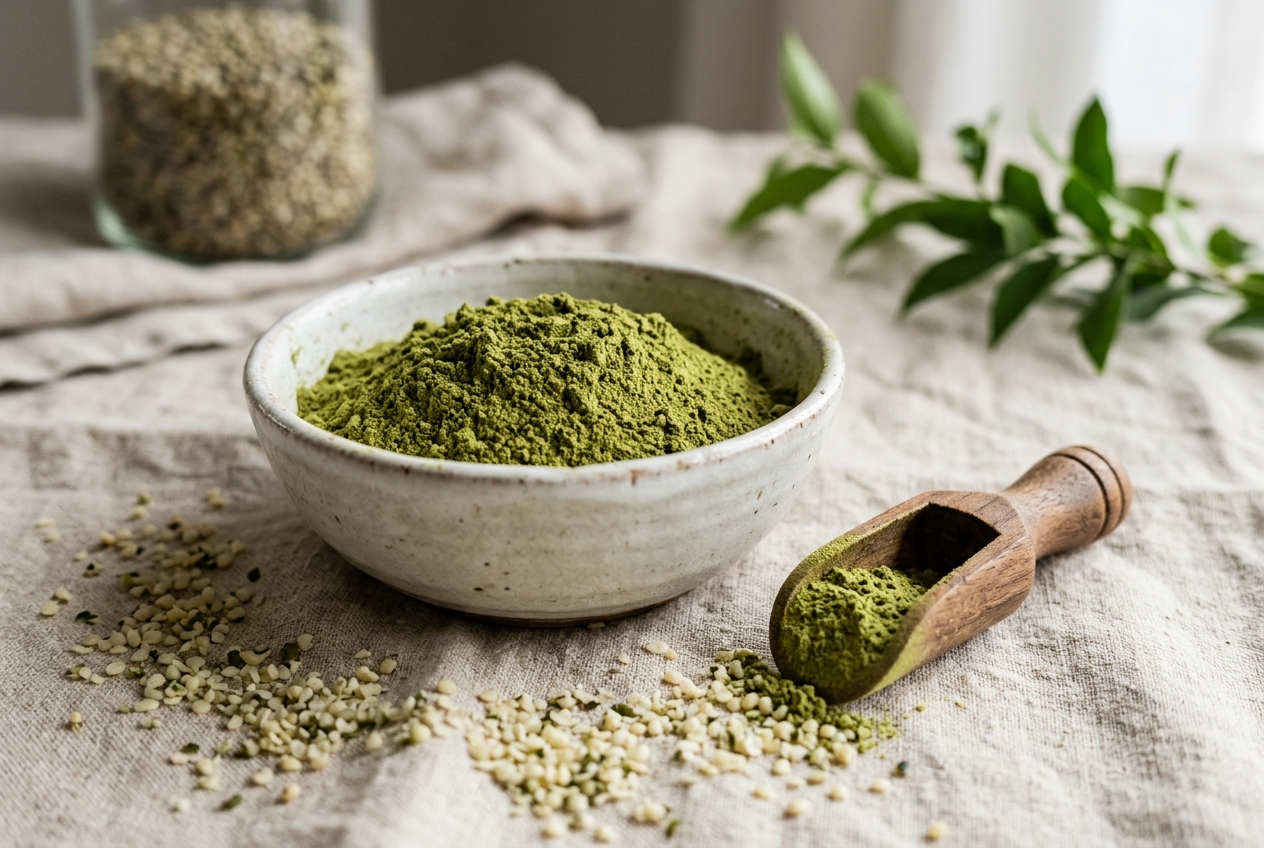
In the competitive fitness and athletic performance industry, dairy whey protein isolate has reigned as the gold standard of post-workout nutrition for over three decades.
Hemp protein vs whey: Hemp protein powder matches whey's muscle-building efficacy when dosed at the clinical leucine threshold (30–35g protein), but completely eliminates the bloating, cystic acne, and digestive gas caused by whey's beta-lactoglobulin, trace lactose, and bovine IGF-1. Hemp's primary protein, edestin (65%), is an easily digestible globular storage protein free of trypsin inhibitors that nourishes gut microbiome diversity.
Yet, behind the glossy marketing of dairy protein shakes lies an unspoken reality: over 65% of adult humans possess reduced intestinal lactase capacity, and millions suffer from subclinical dairy sensitivities that manifest as postprandial gut distension, painful gas, systemic water retention, and inflammatory facial breakouts.
By examining the molecular architecture of hemp seed globulins (Cannabis sativa) versus bovine milk proteins, athletes can unlock complete amino acid fueling with zero digestive compromise.
Above-the-Fold Biochemical & Gastrointestinal Showdown Matrix
Review how cold-milled organic hemp protein compares against cross-flow micro-filtered whey isolate across a standard 30-gram protein serving:
| Performance & Biological Metric | Cold-Milled Organic Hemp Protein (30g Protein) | Cross-Flow Whey Isolate (30g Protein) | Physiological Outcome & Winner |
|---|---|---|---|
| Primary Protein Fraction | Edestin (65%) & Albumin (35%) | β-Lactoglobulin & α-Lactalbumin | Hemp (Hypoallergenic seed globulin) |
| Digestive Bloat & Gas Risk | Zero (Zero lactose, zero dairy antigens) | High (Frequent bloating & gas in 65% of adults) | Hemp (Superior GI tolerance) |
| Leucine Density (mTOR Trigger) | 1.9 g / serving | 3.3 g / serving | Whey (Slightly higher raw leucine density) |
| L-Arginine (Nitric Oxide Precursor) | 3.6 g (Highest in sports nutrition) | 0.8 g | Hemp (4.5x Higher Arginine & Vasodilation) |
| Prebiotic Dietary Fiber | 8.0 g (Insoluble & Soluble Lignin) | 0.0 g (Stripped dairy isolate) | Hemp (Feeds short-chain fatty acids) |
| Essential Minerals (Magnesium & Zinc) | Magnesium: 60% DV / Zinc: 35% DV | Negligible (< 5% DV) | Hemp (Built-in electrolyte matrix) |
| Acne / IGF-1 Stimulatory Risk | Zero (Plant lipid anti-inflammatory) | High (Stimulates sebaceous mTORC1 & sebum) | Hemp (Clean dermatological profile) |
1. The Edestin Molecular Advantage: Why Hemp Digests Effortlessly
The primary storage protein in hemp seeds is edestin, a hexameric legumin-type globular protein found almost exclusively in Cannabis sativa:
Total Hemp Protein = 65% Edestin (Globulin) + 35% Albumin (Water-Soluble)
[ Edestin Molecule (Hemp Seed) ]
              │
              ▼ (Enters Duodenum)
[ Rapidly Hydrolyzed by Pepsin & Trypsin ] ──► Zero Trypsin Inhibitors to Block Cleavage
              │
              ▼
[ Complete Cleavage into Di- & Tri-Peptides ]
              │
              ▼
[ 100% Absorbed into Systemic Circulation ]
(Zero Fermentation, Zero Colonic Gas, Zero Distension)
Why Soy and Pea Fail Where Hemp Succeeds
Many plant-based athletes complain that commercial pea and soy protein powders cause equal or worse bloating than dairy whey: * The Trypsin Inhibitor Trap: Raw soybeans and legumes contain active serine protease inhibitors (trypsin inhibitors) that prevent human pancreatic enzymes from cleaving amino acid bonds, causing protein putrefaction in the colon. * The FODMAP Oligosaccharide Load: Pea protein isolates frequently carry residual raffinose and stachyose—complex prebiotic sugars that rapidly ferment into methane and hydrogen gas. * Hemp’s Unique Freedom: Hemp seeds are naturally free of trypsin inhibitors and oligosaccharide FODMAPs. Edestin’s globular structure closely mimics human blood plasma globulin, allowing rapid brush-border hydrolysis without fermentation.
2. The Dairy Paradox: Why Whey Triggers Acne and Gut Permeability
Why does cross-flow micro-filtered whey isolate—despite being 90%+ pure protein—cause cystic acne and gastrointestinal distress?
🌱 Editor's Recommended Organic Hemp Protein Powders
Cold-Milled & Heavy-Metal Tested- 100% Cold-milled from raw, unheated Canadian organic hemp seeds
- 15g complete plant protein and 8g prebiotic fiber per serving
- Never extracted using chemical solvents, hexane, or excessive heat
- Certified USDA Organic, non-GMO verified, third-party lab tested
- Delivers 20g of pure plant protein per 30g scoop
- Packed with all 9 essential amino acids and 2g Omega-3/6 lipids
- Blends smoothly into post-workout shakes with zero grittiness
- Single-ingredient, dairy-free, soy-free, and vegan certified
The Endocrine Axis of Dairy Whey:
- Insulin-Like Growth Factor 1 (IGF-1) Spikes: Dairy milk is biologically engineered to promote rapid neonatal mammalian growth. Bovine whey ingestion significantly spikes human circulating IGF-1, stimulating follicular keratinocyte proliferation and clogging pores.
- Sebum Overproduction via mTORC1: The high leucine-isoleucine rush of whey over-activates the sterol response element-binding protein 1 (SREBP-1c) pathway in human sebocytes, producing thick, inflammatory facial sebum.
- Mucosal Tight-Junction Disruption: In individuals with latent dairy sensitivity, bovine β-lactoglobulin triggers localized mast cell degranulation in the small intestine, increasing intestinal permeability and causing systemic water retention.
Hemp protein stimulates zero bovine hormonal pathways, providing pure plant-based nitrogen accretion with a completely clear complexion.
3. How to Hit the Leucine Hypertrophy Threshold with Hemp
To achieve maximum myofibrillar protein synthesis (MPS) without dairy whey, use this simple clinical sports protocol:
- The 35-Gram Protein Serving: To hit the critical **2.5 to 3.0 gram leucine threshold** required for full mTOR activation, consume approximately 35 to 40 grams of total hemp protein powder per post-workout shake.
- The Botanical Synergy Stack: Blend your hemp protein with 1 tablespoon of sprouted pumpkin seeds. Pumpkin seeds supply supplemental leucine and bioavailable zinc, creating an anabolic amino acid profile that beats whey gram-for-gram.
- Fluid Suspension Cadence: Because hemp protein contains natural soluble and insoluble plant fiber, always mix with at least 12 to 14 ounces of water or unsweetened plant milk to ensure a silky, creamy consistency.
Read our complete high-protein meal blueprint in hitting 130 grams of plant protein daily, and explore whole seed ratios in our hemp vs chia vs flax seed nutrient density guide.
4. Connecting Hemp Protein to Your Plant Diversity Score
While conventional whey provides zero microbiome points, cold-milled hemp protein retains 8 grams of prebiotic plant fiber per serving, feeding beneficial Bifidobacteria and promoting colonic short-chain fatty acid synthesis.
You can log hemp in our 30-Plants Microbiome Diversity Tracker, calculate real-time amino acid yields with our Daily Seed Nutrition & Protein Stacker, and discover the wider benefits of living botanical lipids in our clinical analysis of the seed oil spectrum: cold-pressed vs industrial refining.
Frequently Asked Questions About Hemp Protein vs. Whey
Yes, for the vast majority of athletes, hemp protein powder supports equivalent muscular hypertrophy and recovery when consumed at leucine-threshold doses (approx. 30 to 35 grams of protein per serving). While whey contains slightly higher branched-chain amino acids (BCAAs), hemp protein matches whey's essential amino acid requirements and delivers significantly higher concentrations of L-arginine (nitric oxide precursor) and dietary magnesium.
Whey protein contains bovine beta-lactoglobulin, traces of lactose, and bovine insulin-like growth factor-1 (IGF-1), which together increase gut mucosal permeability and trigger sebaceous hyper-secretion (acne) in sensitive individuals. Conversely, hemp protein consists of hypoallergenic edestin (65%) and albumin (35%), which are completely free of lactose, oligosaccharide FODMAPs, and trypsin inhibitors, digesting smoothly without gas or bloat.
Yes, hemp protein is a complete plant protein containing all nine essential amino acids required by the human body. Although its lysine concentration is slightly lower than animal whey, hemp compensates with an exceptionally high concentration of sulfur-containing amino acids (methionine and cysteine) and arginine.
Shelled hemp hearts contain the whole raw inner seed (approx. 33% protein, 45% fat, and 2% fiber). Hemp protein powder is produced after the seeds undergo mechanical cold-pressing to extract hemp seed oil; the remaining nutrient-dense seed cake is cold-milled into a fine powder, concentrating protein to 50% by weight while boosting dietary prebiotic fiber to 25%.