
Cacao Nibs: Why Fermented Theobroma Seeds Deliver 4x More Flavanols Than Dark Chocolate
A cardiovascular and neurological investigation of fermented Theobroma cacao seeds: evaluating monomeric (-)-epicatechin eNOS activation, theobromine adenosine-antagonism vs caffeine jitters, Dutching polyphenol destruction, and heavy metal testing standards.
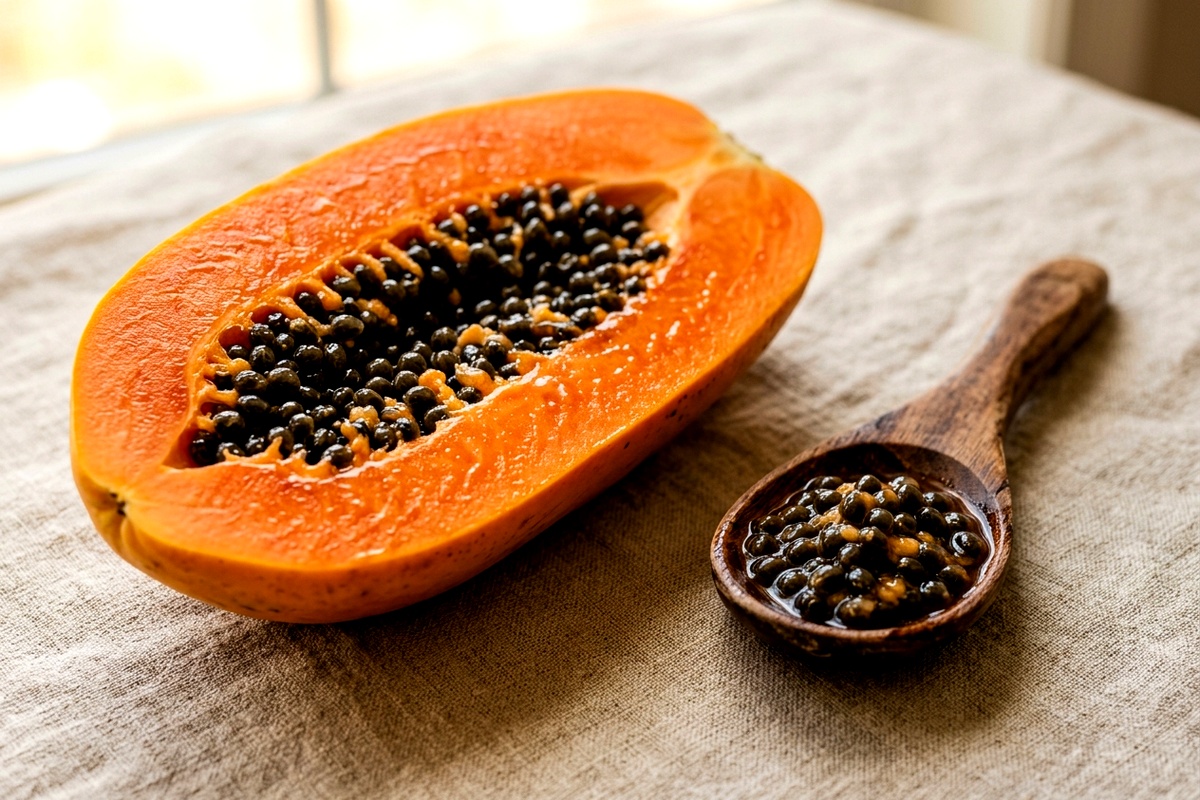
While millions of people regard chocolate as an indulgent confectionery treat, biochemists and botanical researchers know it by its true identity: the processed product of a remarkable tropical seed.
Cacao nibs are simply the fermented, dried, and coarsely crushed cotyledons (inner seed meat) of the Theobroma cacao tree—a name that literally translates from Greek as “Food of the Gods.” Driving over 40,000 monthly searches, wellness seekers and longevity enthusiasts are turning away from commercial chocolate bars toward raw and roasted cacao nibs to capture their peerless cardiovascular and neurological benefits.
Cacao nibs vs dark chocolate: Cacao nibs are the purest form of chocolate—minimally processed fermented seeds delivering 4x more flavanols (epicatechin) than dark chocolate with zero added sugar or emulsifiers. Their unique alkaloid, theobromine, dilates blood vessels and enhances focus without caffeine jitters, while 2 tablespoons supply over 15% of your daily magnesium.
However, walking down the grocery aisle reveals a confusing array of products: alkalized cocoa powder, 70% dark chocolate bars, raw cacao powder, and roasted cacao nibs. What many shoppers fail to realize is that modern chocolate processing—specifically heat treatment, chemical alkalization (Dutching), and milk protein binding—can obliterate up to 80% of the seed’s active antioxidants.
Here is the molecular science behind why eating whole, unadulterated cacao seeds transforms vascular health, mood neurochemistry, and cellular longevity.
Above-the-Fold Flavanol & Processing Showdown Matrix
Review how pure cacao nibs compare against commercial dark chocolate bars, Dutch-processed cocoa, and milk chocolate across primary biochemical markers:
| Product & Processing Grade | Flavanol Retention (Epicatechin) | Refined Sugar & Additives | Cardiovascular Nitric Oxide (eNOS) | Clinical Nutrition Verdict |
|---|---|---|---|---|
| Raw / Minimally Roasted Cacao Nibs | 100% Intact (Maximum monomeric yield) | 0.0 g (Zero sugar, zero emulsifiers) | Maximum (Potent vascular vasodilation) | Gold Standard Botanical Functional Food |
| 85% Dark Chocolate Bar | 40% – 50% (Thermal roasting losses) | 15% Cane Sugar + Soy Lecithin | Moderate to High | High Quality Culinary Compromise |
| Dutch-Processed (Alkalized) Cocoa | < 20% (Potassium carbonate destroys phenols) | 0.0 g (Pure defatted powder) | Negligible (Alkaline ring destruction) | Nutritionally Depleted Flavoring |
| Standard Commercial Milk Chocolate | < 5% (Heavily diluted) | 50%+ Refined Sugar + Milk Fats | Zero (Dairy caseins block polyphenol uptake) | Pro-Inflammatory Confectionery |
1. The Epicatechin Vascular Mechanism: Fueling Endothelial Nitric Oxide
The primary biological engine of Theobroma cacao is its extraordinary density of monomeric flavan-3-ols, predominantly (-)-epicatechin and (+)-catechin, alongside oligomeric procyanidins.
When you chew cacao nibs, epicatechin is rapidly absorbed across the jejunal mucosa into the bloodstream. Once in systemic circulation, it interacts directly with vascular endothelial cells that line your arterial walls:
       [ Epicatechin Endothelial Signaling Pathway ]

 ┌────────────────────────────────────────────────────────┐
 │ Ingestion of Pure Unalkalized Cacao Nibs              │
 └──────────────────────────┬─────────────────────────────┘
                            ▼
 ┌────────────────────────────────────────────────────────┐
 │ Intestinal Absorption of Free (-)-Epicatechin          │
 └──────────────────────────┬─────────────────────────────┘
                            ▼
 ┌────────────────────────────────────────────────────────┐
 │ Phosphorylation of Endothelial Nitric Oxide Synthase  │
 │ (eNOS activation via PI3K/Akt intracellular cascade)   │
 └──────────────────────────┬─────────────────────────────┘
                            ▼
 ┌────────────────────────────────────────────────────────┐
 │ Rapid Synthesis of Gaseous Nitric Oxide (NO)          │
 └──────────────────────────┬─────────────────────────────┘
                            ▼
 ┌────────────────────────────────────────────────────────┐
 │ Vascular Smooth Muscle Relaxation & Arterial Dilation │
 │ (Reduces arterial stiffness, lowers systolic blood    │
 │ pressure, and improves cerebral microcirculation)     │
 └────────────────────────────────────────────────────────┘
By upregulating endothelial nitric oxide synthase (eNOS), cacao epicatechin increases the production of gaseous nitric oxide (NO). Nitric oxide diffuses into adjacent vascular smooth muscle cells, triggering guanylyl cyclase to synthesize cyclic GMP (cGMP). This relaxes blood vessel walls, expands arterial diameter, reduces peripheral resistance, and measurably lowers resting blood pressure.
In meta-analyses of randomized controlled trials, daily consumption of flavanol-rich cacao demonstrated statistically significant improvements in Flow-Mediated Dilation (FMD)—the gold standard metric of cardiovascular arterial flexibility.
Compare how other functional botanicals stimulate vascular blood flow in our guide to can you eat pomegranate seeds and punicic acid.
2. The Theobromine Advantage: Sustained Focus Without Caffeine Jitters
Many consumers avoid dark chocolate in the afternoon out of fear that caffeine will disrupt their circadian sleep cycles. However, the stimulant architecture of cacao seeds is completely different from coffee beans.
While a 1-ounce serving of cacao nibs contains only a modest 15 to 20 mg of caffeine (equivalent to a quarter cup of green tea), it packs over 250 mg of theobromine (3,7-dimethylxanthine).
Molecular Comparison:
Caffeine:    1,3,7-trimethylxanthine  <-- Rapidly crosses blood-brain barrier; sharp CNS spike
Theobromine: 3,7-dimethylxanthine    <-- Slower crossing, cardiac & bronchial focus; smooth curve
Why Theobromine Feels Different
- Peripheral vs. Central Action: Theobromine has a much lower affinity for central nervous system adenosine A₁ and A₂A receptors than caffeine. Instead of triggering a surge of adrenal adrenaline and cortisol, it acts peripherally on cardiac muscle and vascular tone.
- Smooth Muscle Vasodilation: While caffeine is a systemic vasoconstrictor (narrowing blood vessels), theobromine is an active vasodilator that increases cerebral blood flow.
- Long Half-Life: Theobromine has a half-life of 7 to 12 hours. It provides a long, calm plateau of mental clarity, elevated mood (via mild phosphodiesterase inhibition), and relaxed bronchial airways without afternoon jitteriness or sudden energetic crashes.
3. Micronutrient Density: The Magnesium & Trace Mineral Matrix
Beyond its polyphenolic complexity, the Theobroma seed is one of the densest mineral repositories in the plant kingdom:
- Bioavailable Magnesium: Just 1 ounce (28g) of raw cacao nibs supplies 64 mg of magnesium (approx. 16% to 20% of your adult Daily Value). Magnesium is the essential cofactor for over 300 enzymatic reactions, including ATP energy production, DNA synthesis, and neuromuscular relaxation.
- Non-Heme Iron: Delivers 2.5 mg of iron per ounce (approx. 14% to 30% DV), supporting healthy hemoglobin synthesis.
- Copper and Manganese: Supplies over 30% of your daily copper, a vital cofactor for cytochrome c oxidase and endogenous superoxide dismutase (SOD) antioxidant synthesis.
Compare cacao’s magnesium density against other functional seeds in our pumpkin vs sunflower seeds mineral showdown.
4. Heavy Metal Diligence: Navigating Cadmium & Lead in Cacao
Because cacao trees thrive in volcanic, mineral-rich soils, their deep taproots naturally absorb naturally occurring cadmium (Cd) and lead (Pb) from the earth.
Consumers ingesting cacao daily must practice smart botanical sourcing: - Geographic Soil Factors: Soils in South America (Ecuador, Peru, Colombia) naturally contain higher geological cadmium levels than soils in West Africa (Ghana, Ivory Coast) or the Dominican Republic. - Look for Third-Party Testing: High-integrity botanical brands publish third-party heavy metal testing meeting California Proposition 65 and European Commission Regulation (EU) 2018/73 standards (maximum 0.60 mg/kg cadmium in finished cacao products). - Rotate Sourcing: Alternating your cacao nib brand ensures you avoid chronic cumulative exposure from any single high-cadmium agricultural region.
5. The Optimal Daily Intake Blueprint
To capture pure flavanols without bitterness shock or digestive overwhelm, incorporate cacao nibs using these culinary guidelines:
- The 1-to-2 Tablespoon Serving: Measure 1 to 2 tablespoons (approx. 10 to 15 grams) daily. This delivers optimal polyphenol concentrations without excess caloric density.
- Never Heat Above 120°F: Avoid baking cacao nibs into high-temperature cookies or cakes, as sustained oven temperatures denature monomeric epicatechin into inactive polymers. Use them as a raw, crunchy topping instead.
- The Botanical Synergy Bowl: Sprinkle your cacao nibs over a morning bowl of chia pudding, oatmeal, or coconut yogurt alongside raw blueberries. The vitamin C in berries protects cacao catechins from oxidative degradation in the intestinal lumen, dramatically increasing bioavailability.
- Keep Free of Bovine Dairy: Always pair with water, plant milks (almond, oat, coconut), or dairy-free yogurts to prevent milk caseins from binding to the antioxidant polyphenols.
6. Integrating Living Cacao into Your Plant Diversity Protocol
Unlike commercial sweets, pure cacao nibs count as a fermented botanical seed that feeds your colonic microbiome with prebiotic flavanols and polyphenols.
Log cacao nibs in our 30-Plants Microbiome Diversity Tracker, calculate your overall daily seed micronutrient profile with our Daily Seed Nutrition & Protein Stacker, and discover how to optimize unrefined plant lipids in the seed oil spectrum: cold-pressed vs industrial refining.
Frequently Asked Questions About Cacao Nibs
Yes, cacao nibs are significantly superior to even 85% dark chocolate. Because nibs are simply cracked, unalkalized, and minimally processed cacao seeds, they retain 100% of their native flavanols (especially epicatechin) and contain zero added sugars, dairy emulsifiers, or soy lecithin. Standard chocolate manufacturing and thermal alkalization (Dutching) destroys up to 60% to 80% of these delicate polyphenols.
A standard clinical serving is 1 to 2 tablespoons (approx. 10 to 20 grams) daily. This dose delivers roughly 300 to 500 mg of cardiovascular flavanols, over 50 mg of bioavailable magnesium (15% DV), and 200 mg of sustained-release theobromine without overloading your system with excess saturated cacao butter calories.
Cacao nibs contain only trace amounts of caffeine (approx. 20 mg per ounce, roughly one-fifth of a cup of coffee). Their primary stimulant is theobromine (approx. 250 mg per ounce). Theobromine crosses the blood-brain barrier much more slowly than caffeine, providing sustained mental clarity, smooth muscle relaxation, and vasodilation without triggering adrenal cortisol spikes, heart palpitations, or energy crashes.
Cacao trees naturally hyper-accumulate cadmium from volcanic soils, particularly in Latin America (Ecuador, Peru, and Colombia). When purchasing cacao nibs, look for brands that provide third-party laboratory Certificates of Analysis (COA) confirming cadmium levels below 0.60 mg/kg (EU standard) and lead below 0.15 mg/kg, or source certified crops from West Africa or the Dominican Republic.