
Fenugreek and Black Seed Together: The Hormonal, Insulin-Sensitizing & Hair Growth Synergy
A molecular pharmacology analysis of pairing Trigonella foenum-graecum with Nigella sativa: exploring 4-hydroxyisoleucine and thymoquinone dual-action insulin sensitivity, 5-alpha reductase hair follicle inhibition, and clinical internal/topical protocols.
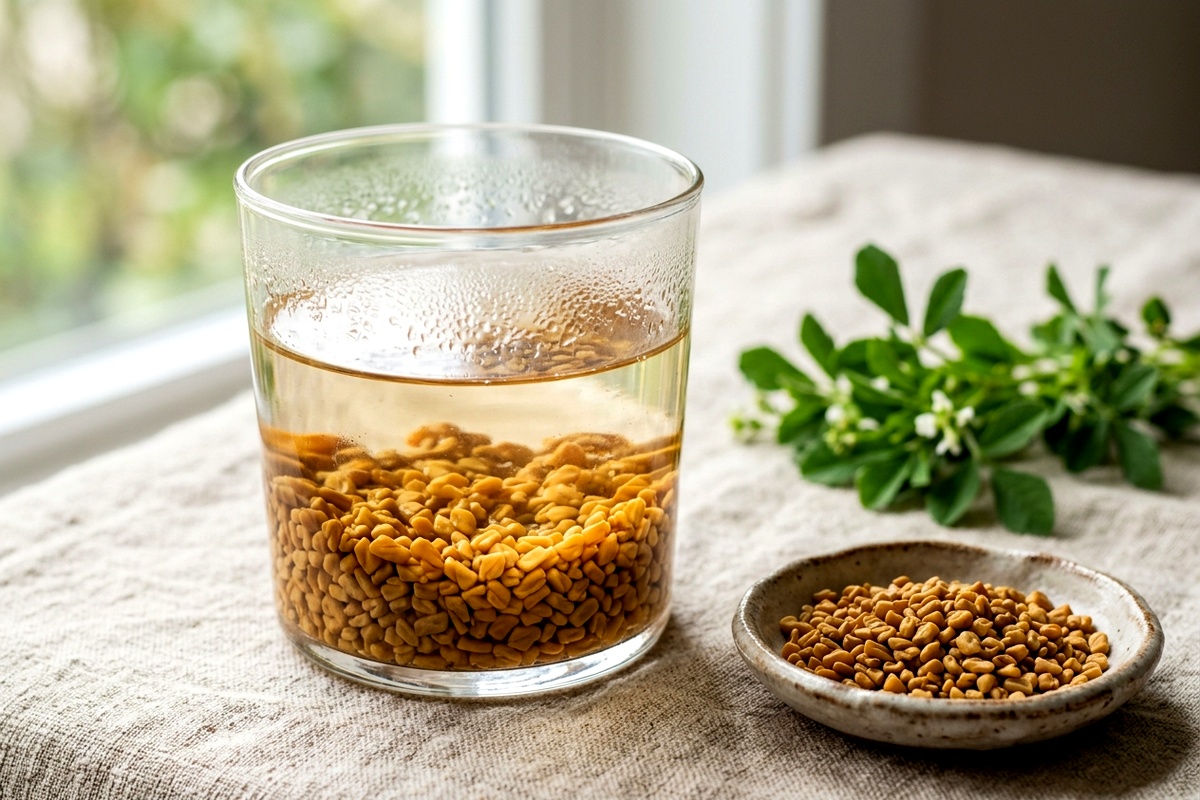
Across the historic medical traditions of North Africa, the Middle East, and South Asia, two ancient botanical seeds have frequently been prescribed side-by-side: fenugreek (Trigonella foenum-graecum, known as methi) and black seed (Nigella sativa, known as kalonji or black cumin).
Today, this herbal combination is experiencing an intense scientific resurgence. With over 15,000 monthly searches exploring fenugreek and black seed together, modern endocrinology and dermatology researchers are uncovering why this specific botanical pairing delivers clinical benefits that surpass either seed taken in isolation.
Fenugreek and black seed synergy: Stacking fenugreek and black seed delivers a powerful dual-action metabolic and hormonal boost. Fenugreek’s 4-hydroxyisoleucine stimulates glucose-dependent insulin release, while black seed’s thymoquinone activates cellular AMPK to clear blood sugar. Together, their combined phytosterols inhibit 5-alpha reductase, blocking hair-miniaturizing DHT and soothing scalp inflammation.
However, combining these two bioactive powerhouses requires precise botanical understanding. Both herbs possess potent hypoglycemic and endocrine-modulating properties; taking them without proper dosage calibration can trigger sudden digestive cramping, excessive blood sugar drops, or contraindications during pregnancy.
Here is the pharmacological breakdown of the fenugreek-kalonji synergy and how to safely execute both internal and topical protocols.
Above-the-Fold Synergy Showdown Matrix
Review how fenugreek alone, black seed alone, and the combined synergy stack compare across critical clinical targets:
| Physiological & Clinical Target | Fenugreek Seeds (Trigonella) | Black Seed (Nigella sativa) | The Synergy Stack (Fenugreek + Black Seed) |
|---|---|---|---|
| Primary Bioactive Compounds | 4-Hydroxyisoleucine & Diosgenin | Thymoquinone (TQ) & Nigellone | Dual Alkaloid-Terpene Matrix |
| Glycemic Regulation & Insulin Action | Stimulates β-cell insulin release | Enhances peripheral GLUT-4 uptake | Additive Dual-Action Glucose Blunting |
| Hair Follicle DHT Inhibition (Topical) | Moderate (Phytosterols & proteins) | Strong (Thymoquinone anti-inflammatory) | Superior Follicular Microcirculation |
| Gut Mucilage & Digestion Comfort | Abundant Soluble Galactomannan | Zero mucilage (Volatile monoterpenes) | Buffered Gastric Protection |
| Hormonal / Testosterone Optimization | Suppresses aromatase conversion | Reduces testicular oxidative stress | Balanced Free-to-Total Testosterone Index |
| Safety / Pregnancy Warning | Stimulates uterine contractions | Alters uterine smooth muscle tone | Strictly Contraindicated in Pregnancy |
1. The Dual-Action Metabolic Circuit: 4-Hydroxyisoleucine + Thymoquinone
Why does stacking fenugreek with black seed produce such profound glycemic stabilization in prediabetic and metabolic syndrome trials? Because they attack blood glucose dysregulation from two entirely different biological pathways:
                  [ Ingestion of Dietary Carbohydrates ]
                                    │
       ┌────────────────────────────┴────────────────────────────┐
       ▼                                                         ▼
[ Fenugreek Action: The Upstream Gatekeeper ]       [ Black Seed Action: The Downstream Engine ]
 1. Galactomannan fiber delays carbohydrate transit   1. Thymoquinone upregulates hepatic AMPK
 2. 4-hydroxyisoleucine triggers pancreatic beta      2. Stimulates GLUT-4 glucose transporters
    cells to secrete glucose-dependent insulin           in skeletal muscle membranes
       │                                                         │
       └────────────────────────────┬────────────────────────────┘
                                    ▼
                 [ Complete Glycemic Normalization ]
                 (No Post-Meal Spikes, No Reactive Hypoglycemia)
- Upstream Control (Fenugreek): Fenugreek contains 4-hydroxyisoleucine, an unusual non-protein amino acid found almost exclusively in Trigonella. It stimulates pancreatic islet β-cells to secrete insulin strictly in the presence of elevated blood glucose, preventing sudden hypoglycemic crashes. Simultaneously, its abundant galactomannan soluble fiber forms a viscous gel that slows glucose transit in the duodenum.
- Downstream Cellular Uptake (Black Seed): Black seed’s thymoquinone activates AMP-activated protein kinase (AMPK) in liver and muscle cells. This triggers the translocation of GLUT-4 transporters to cellular surfaces, allowing muscle tissue to clear glucose from the bloodstream rapidly without placing excessive strain on the pancreas.
Read our detailed clinical guide on soaking fenugreek seeds overnight for blood sugar and testosterone and discover the potency grades of black cumin seed oil and thymoquinone.
2. The Hair Growth & Scalp Follicle Synergy: Topical Protocol
One of the most viral and clinically validated applications of this botanical pair is for androgenetic alopecia (pattern hair loss), telogen effluvium, and chronic scalp inflammation.
Both botanicals combat the root biological drivers of hair follicle miniaturization: - 5-Alpha Reductase Inhibition: Both fenugreek saponins (diosgenin) and black seed phytosterols (β-sitosterol) competitively inhibit the type II 5-α reductase enzyme, reducing the local conversion of testosterone into hair-miniaturizing dihydrotestosterone (DHT) at the follicular level. - Anti-Microbial & Anti-Dandruff Action: Thymoquinone eradicates Malassezia yeast species on the scalp, halting the micro-inflammation that causes premature follicle shedding. - Follicular Protein Delivery: Fenugreek is rich in nicotinic acid and bioavailable plant proteins that rebuild the structural keratin sheath of thinning hair shafts.
Compare this with our clinical hair restoration analysis of pumpkin seed oil for hair growth and DHT blocking.
3. The Scalp Infusion Blueprint: How to Make the Topical Tonic
To create a clean, natural hair tonic at home without commercial alcohols or synthetic fragrances:
- Step 1: The Dual Seed Measure: Take 1 tablespoon of whole fenugreek seeds and 1 tablespoon of whole black seeds. Lightly crush them in a mortar and pestle to crack open their outer seed coats.
- Step 2: The Gentle Simmer: Add the crushed seeds to 2 cups of distilled water in a stainless-steel saucepan. Bring to a gentle boil, then reduce heat to low and simmer covered for 15 minutes until the liquid turns a rich amber-brown hue.
- Step 3: Straining & Cooling: Remove from heat and allow the infusion to cool completely to room temperature. Strain through a cheesecloth or fine mesh sieve into a clean spray bottle. Discard the spent seeds.
- Step 4: Application Cadence: Spray the tonic liberally across your scalp and roots 3 to 4 times per week. Massage gently with your fingertips for 3 minutes to stimulate microcirculation. Leave on for 45 to 60 minutes before rinsing, or apply before bedtime as an overnight leave-in treatment. Store the bottle in your refrigerator for up to 10 days.
4. The Oral Ingestion Blueprint: Internal Daily Protocol
If you are taking this botanical combination for systemic metabolic balance, gut health, or endocrine optimization:
- The Seed Powder Ratio: Mix 1/2 teaspoon of freshly ground fenugreek seeds and 1/2 teaspoon of freshly ground black seeds.
- Meal Timing: Consume the mixture with a glass of warm water or stirred into a small bowl of unsweetened Greek yogurt 15 to 20 minutes before your heaviest carbohydrate meal of the day.
- The Oil Alternative: If you prefer botanical oils, swallow 1 teaspoon (5 mL) of cold-pressed black seed oil and follow with an overnight infusion of 1 teaspoon of soaked fenugreek seeds.
- Important Medication Interaction: Because both seeds effectively lower blood sugar, individuals taking prescription diabetes medications (such as Metformin or Insulin) must monitor their glucose closely and consult their physician to avoid hypoglycemia.
5. Elevate Your Weekly Botanical Diversity
Stacking fenugreek (Fabaceae) with black seed (Ranunculaceae) introduces two completely different ancient botanical families that significantly enrich your gut microbiome diversity.
Log both seeds in our 30-Plants Microbiome Diversity Tracker, calculate real-time nutritional yields with our Daily Seed Nutrition & Protein Stacker, and discover how to optimize digestive motility with coriander seeds water.
Frequently Asked Questions About Fenugreek and Black Seed
Yes, taking fenugreek and black seed (Nigella sativa/kalonji) together creates a powerful botanical synergy. Fenugreek's 4-hydroxyisoleucine and galactomannan fibers work additively with black seed's thymoquinone to enhance insulin sensitivity, stabilize postprandial blood glucose, optimize free testosterone, and reduce systemic inflammation.
Both seeds contain potent phytosterols (beta-sitosterol) and active compounds (diosgenin and thymoquinone) that inhibit 5-alpha reductase, the enzyme that converts testosterone into hair-miniaturizing DHT. Applied topically as a strained tea rinse or oil infusion, they soothe scalp microbial inflammation, improve microvascular perfusion, and strengthen hair follicles.
For oral wellness, take 1/2 teaspoon of ground fenugreek seeds and 1/2 teaspoon of whole or ground black seeds (or 1 teaspoon of cold-pressed black seed oil) with warm water or mixed into morning oats 20 minutes before a meal. Always start with half doses to evaluate gastrointestinal tolerance.
No. Pregnant women should strictly avoid therapeutic doses of fenugreek and black seed. Fenugreek contains saponins that can stimulate oxytocin-like uterine contractions, while high doses of black seed oil can affect uterine tone. Both should be reserved for postpartum recovery and lactation support under medical guidance.