
Apricot Seeds Benefits: The Amygdalin Mechanism, Safe Dosage Limits & The Cyanide Truth
A molecular toxicology and pharmacology review of Prunus armeniaca kernels: dissecting the cyanogenic diglucoside amygdalin, intestinal beta-glucosidase enzymatic cleavage, human rhodanese sulfur-transferase clearance limits, and strict clinical intake ceilings.
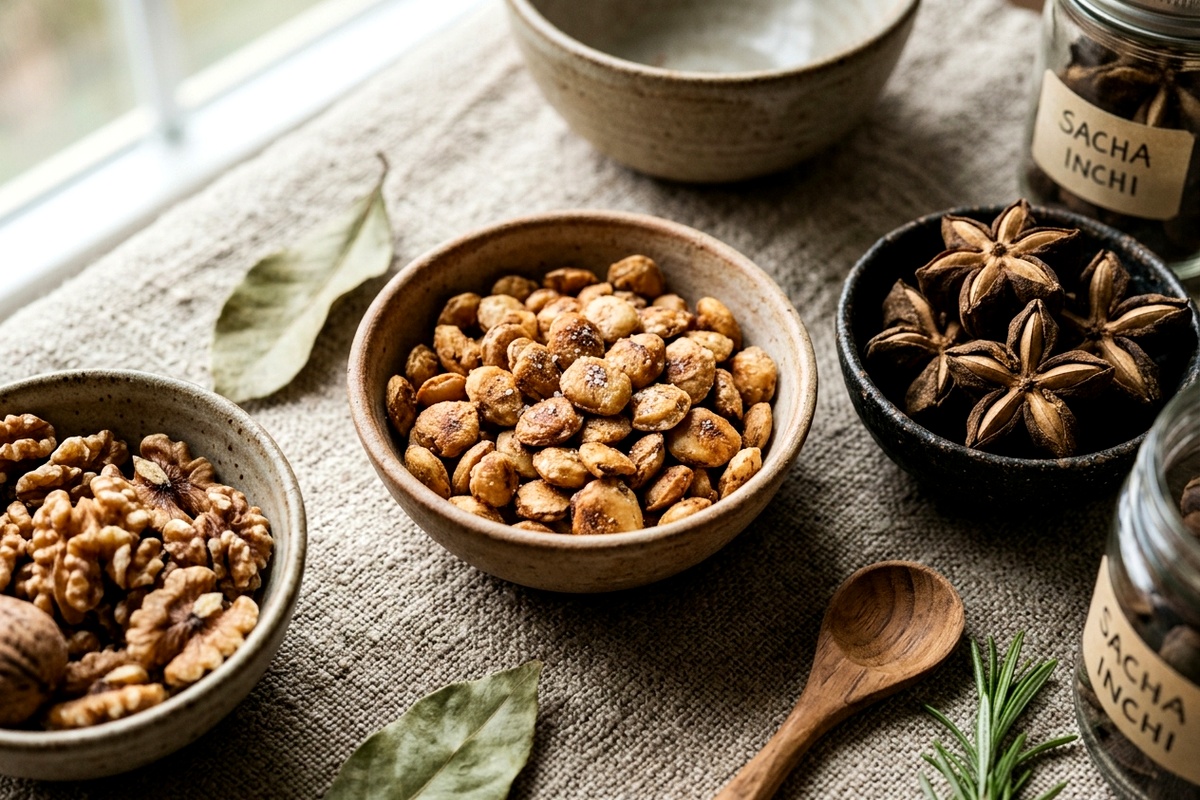
Hidden within the stony endocarp (pit) of the common apricot fruit (Prunus armeniaca) lies a teardrop-shaped kernel that has sparked more clinical controversy, regulatory debate, and toxicological inquiry than almost any other seed on earth.
Known colloquially as apricot seeds or bitter apricot kernels, these botanical embryos drive over 25,000 monthly online searches from wellness seekers navigating polarized claims: on one side, alternative health blogs praising them as a forgotten superfood rich in “Vitamin B17”; on the other, strict regulatory warnings from the FDA and European Food Safety Authority (EFSA) warning of fatal hydrogen cyanide poisoning.
Apricot seeds benefits & safety: While apricot seeds provide heart-healthy oleic acid and vitamin E, bitter kernels contain amygdalin, which human gut enzymes cleave into lethal hydrogen cyanide. Consuming more than 1 to 2 bitter kernels daily exceeds the EFSA safe threshold and risks cyanide toxicity. They do not cure cancer, and claims regarding "Vitamin B17" have been thoroughly debunked by medical trials.
To consume or evaluate apricot seeds safely, one must strip away both sensationalism and panic. By understanding the enzymatic cleavage of cyanogenic glycosides and the clearance capacity of the human liver’s rhodanese enzyme, we can establish the exact boundary between botanical micronutrition and acute toxicity.
Above-the-Fold Biochemical & Safety Matrix
Review the stark chemical and physiological differences between sweet apricot kernels, bitter apricot kernels, and common almonds:
| Kernel Variety & Type | Amygdalin Concentration | Cyanide Release Potential | Safe Adult Daily Ceiling | Clinical Safety Verdict |
|---|---|---|---|---|
| Sweet Apricot Kernels | < 0.5 mg / gram | Negligible (< 0.03 mg HCN/g) | 15 to 30 grams (Culinary snack) | Completely Safe (Almond-like) |
| Bitter Apricot Kernels | 30 to 55 mg / gram | High (2.5 to 4.0 mg HCN/g) | 1 to 2 Kernels (Max 370 mg) | Extreme Toxicity Hazard if Exceeded |
| Sweet California Almonds | 0.0 mg / gram | Zero | 1 to 2 handfuls daily | Gold Standard Daily Snack |
| Commercial Laetrile / "B17" Injections | Concentrated Purified Amygdalin | Extreme First-Pass Hydrolysis | Strictly Banned by FDA | High-Risk Ineffective Alternative Therapy |
1. The Biochemistry of Amygdalin: How Cyanide is Liberated
Amygdalin (D-mandelonitrile-β-D-gentiobioside) is a natural cyanogenic diglucoside that plants in the Rosaceae family (apricots, bitter almonds, apples, cherries, and peaches) manufacture as a chemical defense against foraging herbivores and boring insects.
       [ Intestinal Enzymatic Hydrolysis of Amygdalin ]

 ┌────────────────────────────────────────────────────────┐
 │ Ingested Amygdalin Molecule (Intact in Stomach)       │
 └──────────────────────────┬─────────────────────────────┘
                            ▼
 ┌────────────────────────────────────────────────────────┐
 │ Contact with Bacterial Beta-Glucosidase in Small Gut   │
 │ (Intestinal microflora cleave two glucose sugar rings) │
 └──────────────────────────┬─────────────────────────────┘
                            ▼
 ┌────────────────────────────────────────────────────────┐
 │ Prunasin Intermediate ──> Mandelonitrile Intermediate │
 └──────────────────────────┬─────────────────────────────┘
                            ▼
 ┌────────────────────────────────────────────────────────┐
 │ Spontaneous Hydroxynitrile Lyase Dissociation          │
 │ 1. Benzaldehyde (Gives characteristic bitter odor)     │
 │ 2. HYDROGEN CYANIDE (HCN - Toxic mitochondrial poison) │
 └────────────────────────────────────────────────────────┘
When you swallow intact amygdalin: 1. Gastric Acid Stability: Amygdalin passes through the acidic stomach without significant degradation. 2. Microbiome Cleavage: In the alkaline duodenum and jejunum, bacterial β-glucosidase enzymes cleave the outer glucose bonds, reducing amygdalin to prunasin, and subsequently to mandelonitrile. 3. Cyanide Liberation: Mandelonitrile spontaneously decomposes into benzaldehyde (which gives bitter seeds their sharp marzipan scent) and free hydrogen cyanide (HCN).
2. Cellular Mechanism: How Cyanide Paralyzes Cellular Respiration
Hydrogen cyanide is a potent mitochondrial asphyxiant.
Once absorbed into the bloodstream, cyanide (CN⁻) binds with intense affinity to the ferric iron (Fe³⁺) atom within cytochrome c oxidase (Complex IV) of the mitochondrial electron transport chain.
By freezing Complex IV: - Oxidative phosphorylation halts instantly. - The cell can no longer utilize oxygen to convert ADP into ATP. - Cells enter rapid anaerobic glycolysis, causing massive lactic acidosis, profound cellular hypoxia, and central nervous system collapse despite normal oxygen levels in arterial blood.
The Liver’s Clearance Mechanism: Rhodanese
The human body is not completely defenseless. The liver produces an endogenous mitochondrial enzyme called rhodanese (thiosulfate sulfurtransferase). Rhodanese transfers a sulfur atom from endogenous thiosulfate to cyanide, converting it into thiocyanate (SCN⁻), a compound roughly 200 times less toxic that is safely excreted in urine.
However, rhodanese operates at a fixed kinetic rate. If you ingest more than 1 to 2 bitter kernels, the influx of cyanide overwhelms available sulfur donor reserves, leading to acute poisoning symptoms: dizziness, headache, nausea, cardiac arrhythmia, respiratory arrest, and coma.
Learn how the liver processes and neutralizes botanical toxins in our guide on how to eat milk thistle seeds for silymarin liver protection.
3. Debunking the “Vitamin B17” and Cancer Myth
During the 1970s and 1980s, amygdalin was rebranded by proponents as “Vitamin B17” and promoted as a selective cure for human malignancies. The hypothesis claimed that cancer cells contained high concentrations of β-glucosidase to liberate cyanide inside tumors, while lacking rhodanese to neutralize it.
The Medical Reality: Subsequent laboratory and clinical investigations completely disproved this theory: 1. No Vitamin Status: Amygdalin is not a vitamin. It is not essential for human metabolic survival, and no deficiency syndrome exists. 2. The Landmark Mayo Clinic / NCI Trial: In a definitive prospective clinical trial published in the New England Journal of Medicine, 178 cancer patients were treated with amygdalin. The trial demonstrated zero therapeutic tumor regression, while several patients suffered life-threatening cyanide toxicity symptoms. 3. No Enzymatic Disparity: Quantitative histological studies showed that human cancer cells do not contain higher ratios of β-glucosidase compared to healthy liver or intestinal tissue.
4. Legitimate Micronutrient Value: Sweet vs. Bitter Kernels
When sweet kernels are consumed—or bitter kernels are held strictly at or below the 1-kernel threshold—Prunus armeniaca seeds deliver valuable botanical lipids:
- Oleic Acid (Omega-9): Comprises 65% to 70% of the kernel’s total fatty acid profile, supporting cardiovascular elasticity and endothelial function.
- α-Tocopherol & Tocotrienols: Potent forms of vitamin E that guard cell membranes against lipid peroxidation.
- Phytosterols (β-Sitosterol): Naturally compete with dietary cholesterol for absorption in intestinal micelles.
Compare how other functional seeds deliver uncompromised omega profiles in our clinical review of sacha inchi vs walnuts complete omega-3.
5. Strict Practical Guidelines for Kitchen Safety
If you choose to consume apricot seeds for their traditional bitter tonifying properties or culinary crunch, follow these non-negotiable rules:
- Taste-Test the Variety: Nibble a tiny speck of the kernel. If it tastes mild and almond-like, it is a sweet kernel and can be eaten in culinary amounts (10–20 seeds). If it delivers an intense, eye-watering bitter punch, it is a bitter kernel loaded with amygdalin.
- The 1-Kernel Absolute Maximum: For bitter kernels, the European Food Safety Authority (EFSA) safe upper limit for an adult is 1 small kernel per day (not exceeding 370 mg of seed mass). Never exceed this threshold.
- Keep Completely Away from Children: Because cyanide toxicity is directly proportional to body weight, a dose tolerated by an adult can cause fatal respiratory arrest in a child or pet.
- Thermal Roasting Does NOT Remove Cyanide: While baking or boiling degrades a portion of the plant's native myrosinase, human intestinal bacteria still hydrolyze the remaining amygdalin into cyanide inside your gut. Do not assume roasted bitter kernels are safe in large quantities.
6. Elevating Your Botanical Nutrition Safely
True health is found in verified, non-toxic seed diversity. Rather than risking cyanogenic toxicity with bitter kernels, you can obtain vastly superior micronutrients, complete proteins, and anti-inflammatory lipids from wholesome botanical sources.
Track your safe weekly plant intake with our 30-Plants Microbiome Diversity Tracker, calculate real-time amino acid and mineral yields with our Daily Seed Nutrition & Protein Stacker, and discover how to detoxify cell membranes with papaya seeds for gut health.
Frequently Asked Questions About Apricot Seeds
Apricot seeds are safe only in strictly regulated micro-quantities. Bitter apricot kernels contain amygdalin, a cyanogenic diglucoside that gut bacteria convert into hydrogen cyanide. The European Food Safety Authority (EFSA) establishes a safe upper threshold of 1 to 2 small bitter kernels per day for adults (or up to 370 mg of kernel tissue) to prevent acute cyanide poisoning.
Sweet apricot kernels come from domesticated cultivars and contain negligible amounts of amygdalin (< 0.1 mg/g), tasting similar to sweet almonds and posing zero cyanide risk. Bitter apricot kernels come from wild or semi-wild trees and contain high concentrations of amygdalin (up to 30 to 50 mg/g), imparting an intensely bitter, medicinal almond flavor that requires strict dosage controls.
No. The claim that amygdalin (often marketed as 'Vitamin B17' or Laetrile) cures cancer has been rigorously refuted in controlled clinical trials conducted by the National Cancer Institute (NCI) and Mayo Clinic. Therapeutic claims lack biological evidence, and high-dose consumption poses severe risks of life-threatening cyanide toxicity rather than targeted tumor apoptosis.
When consumed within safe limits, apricot kernels provide an exceptional lipid profile: over 65% oleic acid (heart-healthy monounsaturated fat), potent tocotrienols and alpha-tocopherol (vitamin E), phytosterols that inhibit intestinal cholesterol absorption, and bioactive polyphenols that support antioxidant defense.